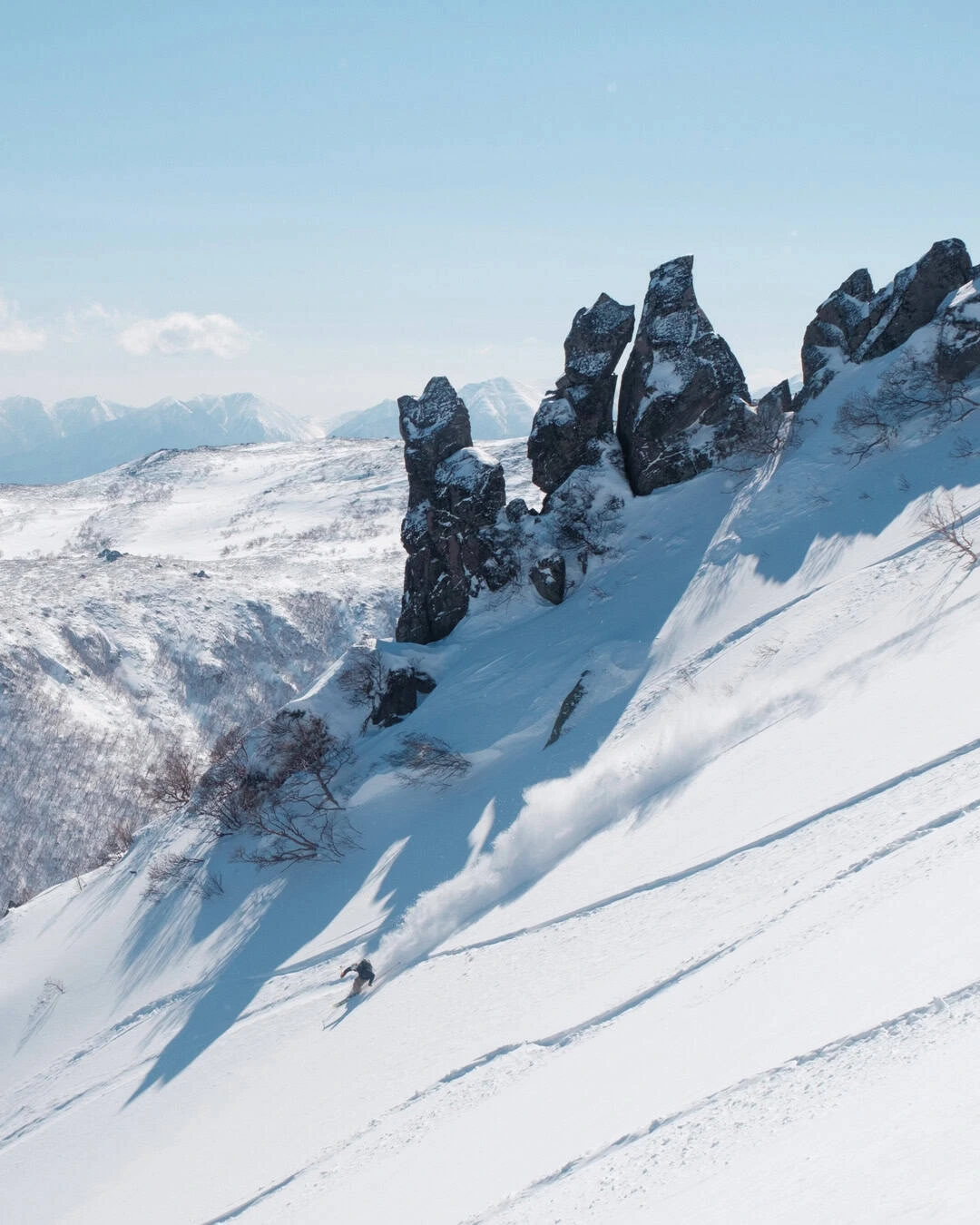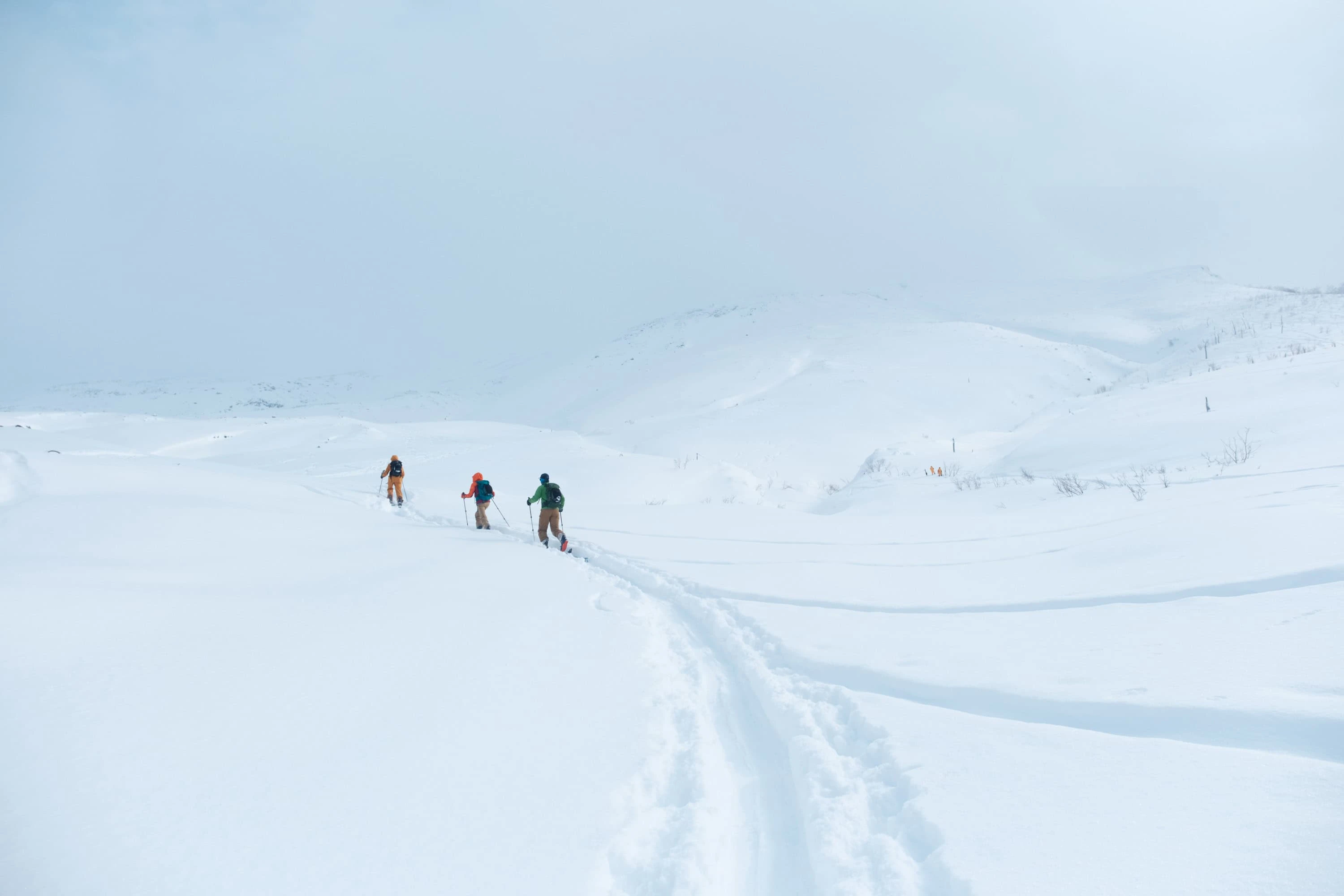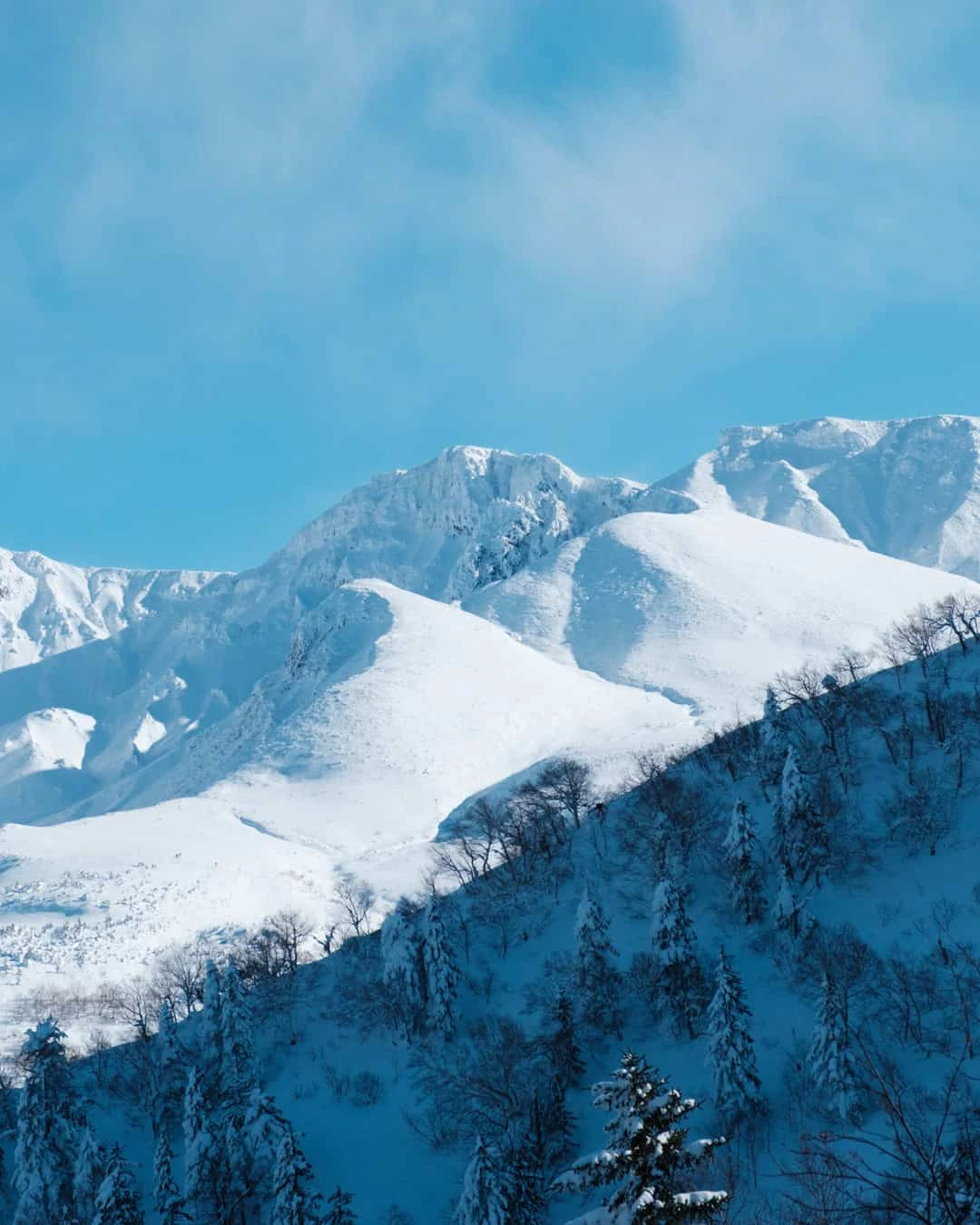
Short answer: backcountry skiing in Hokkaido is as safe as the decisions you make. The terrain is not more dangerous than the Alps or North America, but the risks are real: avalanches, whiteouts, tree wells, deep cold and active volcanoes. With avalanche training, full rescue gear, a daily plan built on the forecast, and ideally a local guide for your first days, it is one of the best and most rewarding places in the world to ski powder.
I am Gerard Martinez, co-founder and guide at Yukiumi Hokkaido. Sergi and I both hold Pro 1 avalanche training (American Avalanche Association) and are Wilderness First Responders, and we ski these mountains every day of the season.
The main risks in the Hokkaido backcountry
Avalanches
Hokkaido’s cold, light snow is amazing to ski, but it can form weak layers that stay buried for a long time, and strong winds load open slopes on the volcanoes. Most of our forest terrain is lower risk; the alpine terrain above the treeline is where avalanche decisions matter most.
Whiteouts and navigation
On Tokachidake, Furanodake or Asahidake, visibility above the treeline can go from clear to nothing in minutes. Wide, featureless slopes make it easy to drift off route. Our Furano backcountry skiing guide and Asahidake ski touring guide explain how we plan around it.
Tree wells and deep snow
In the deep forests, the snow around tree trunks can be soft and hollow. Falling head-first into a tree well is a real risk, so we always ski in sight of a partner.
Cold
Central Hokkaido is one of the coldest parts of Japan. Frostbitten fingers, a dropped glove or a long stop on a windy ridge matter more here than in many ski areas.
Volcanic activity
Tokachidake and Asahidake are active volcanoes. Some areas can close depending on volcanic activity, and near the vents there can be gas. Always check current closures before you go.
Resort boundaries
Hokkaido resorts have their own rules for leaving the ski area through gates. Ducking ropes or ignoring closures is dangerous and can get your lift pass taken away.
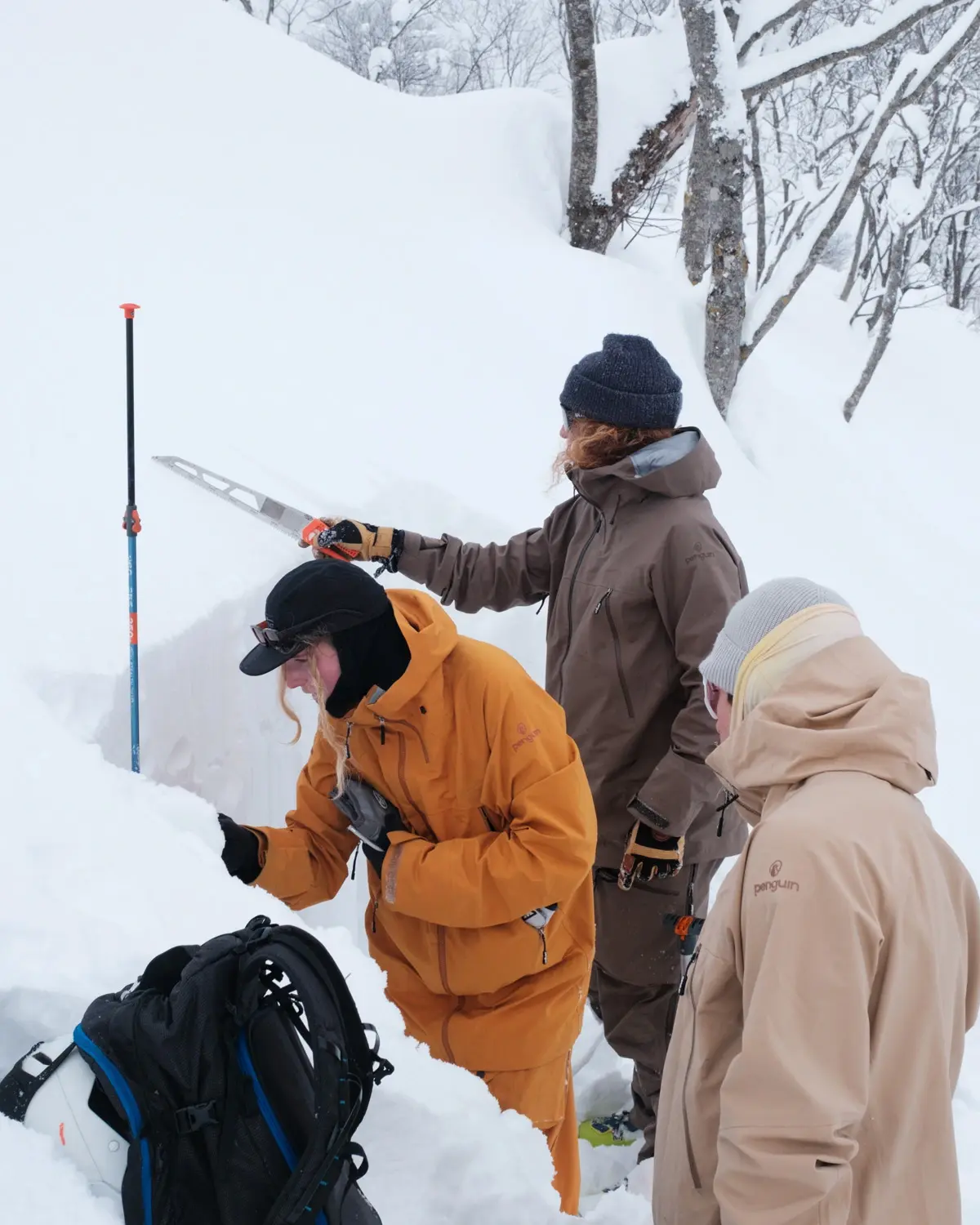
The gear you need
Every person in the group needs:
- Avalanche transceiver (beacon), shovel and probe, and the training to use them
- A backpack with spare layers, warm gloves, goggles and a headlamp
- Food and water for a full day
- A charged phone, and travel insurance that covers backcountry skiing and mountain rescue
If you don’t have the safety gear, our Hokkaido backcountry rental in Kamifurano has avalanche safety backpacks with beacon, shovel and probe.
How we manage risk every day
- Morning check. We read the avalanche forecast and the weather, and add the observations of the whole guide team from the day before.
- Safety briefing. Every day starts with a short briefing on the plan, the risks and how we will move.
- Beacon check at the start of every tour.
- The right zone for the day. Storm days mean sheltered trees and short laps; bluebird, stable days mean the bigger peaks of Daisetsuzan.
- Small groups. Up to five guests per guide, matched by ability, on our Furano backcountry tour, Kamikawa backcountry tour and private day tours.
- Turnaround times. We would rather come back for a line another day.
How to make your trip safer
- Take an avalanche course before your trip, or join our Beginner Backcountry Course, where safety skills are part of every day.
- Hire a local guide for at least your first days. See do you need a guide in Hokkaido?
- Never ski alone, and always keep visual contact in the trees.
- Start in the forest and build up to alpine terrain as you learn the snowpack.
Frequently asked questions
Is Hokkaido powder more dangerous than other places? Not inherently. The light, cold snow can build persistent weak layers and wind slabs, so the avalanche risk needs the same care as anywhere else. The main extra risks in Hokkaido are whiteouts on the volcanoes, tree wells and the cold.
What is the safest way to try backcountry skiing in Hokkaido? Ski with a qualified local guide, start in forest terrain, carry full rescue gear and learn the basics on a beginner course before moving to bigger terrain.
Do I need travel insurance for backcountry skiing in Japan? Yes. Choose a policy that clearly covers off-piste and backcountry skiing and mountain rescue, and check the details before you travel.
Do your guides have avalanche training? Yes. Our founders hold Pro 1 avalanche training from the American Avalanche Association and are Wilderness First Responders, and every guest skis with a beacon, shovel and probe.
October 28, 2026
Back To Articles